The Ultimate Guide to Custom Carpentry for Your Garden
22 July 2026 by Kyran B.Have you ever dreamed of transforming your garden into a personalized oasis that reflects your unique style and creativity? With custom carpentry, you can bring your vision to life by designing and building custom structures and features that enhance the beauty and functionality of your outdoor space. From pergolas and trellises to garden benches and planters, the possibilities are endless when it comes to creating one-of-a-kind additions for your garden. In this comprehensive guide, we will explore the fundamentals of custom carpentry for your garden, including selecting materials, designing structures, utilizing tools and techniques, and maintaining your creations for long-lasting beauty and enjoyment.
Regularly inspect your garden structures for any signs of damage, such as cracks, splintering, or discoloration. Address any issues promptly to prevent further damage.
Clean your carpentry projects regularly to remove dirt, grime, and debris. Use a mild soap and water solution or a specially formulated cleaner for the type of material you are working with.
Apply a protective finish to your garden structures to help prolong their lifespan and protect them from the elements. Choose a finish that is suitable for outdoor use and reapply as needed.
Consider adding a weatherproof sealant to your carpentry projects to provide an extra layer of protection against moisture, UV rays, and other environmental factors.
Trim back any overgrown vegetation that may be encroaching on your garden structures to prevent damage from branches or roots.
Keep an eye out for pests, such as termites or wood-boring insects, that may be attracted to your carpentry projects. Take preventive measures to protect your garden structures from infestations. By following these tips for maintaining and protecting your carpentry projects, you can ensure they remain in top condition and continue to enhance the beauty of your garden for years to come.
Understanding the Basics of Custom Carpentry
It involves the creation of unique, personalized structures and features that are tailored to your specific needs and preferences. In order to successfully undertake custom carpentry projects in your garden, it is important to have a solid understanding of the basics of carpentry. Carpentry is the art of working with wood to build structures, furniture, and other items. It involves the use of various tools and techniques to cut, shape, and join wood pieces together. In custom carpentry, the focus is on creating one-of-a-kind pieces that are designed to complement the overall aesthetic of your garden. Before embarking on a custom carpentry project, it is important to have a clear idea of the design and dimensions of the structure or feature you wish to create. This will help you determine the materials and tools you will need for the project. It is also important to have a basic understanding of woodworking techniques, such as measuring, cutting, and assembling wood pieces. In addition to technical skills, custom carpentry also requires creativity and attention to detail. It is important to take the time to carefully plan and design your project before beginning construction. This will help ensure that the final result meets your expectations and enhances the beauty of your garden. Overall, custom carpentry is a rewarding and fulfilling endeavor that allows you to showcase your creativity and craftsmanship in your garden. By understanding the basics of carpentry and honing your skills, you can create unique and beautiful structures that will bring joy and beauty to your outdoor space.Selecting Materials for Your Garden Projects
Selecting materials for your garden projects is an essential step in the custom carpentry process. The materials you choose will not only impact the overall look and feel of your structures, but also their durability and longevity. When selecting materials for your garden projects, it is important to consider factors such as the climate in your area, the style of your garden, and your budget. Wood is a popular choice for garden carpentry projects due to its natural beauty and versatility. Cedar and redwood are commonly used for outdoor projects as they are both resistant to rot and insect damage. Pressure-treated lumber is also a good option for projects that will be in direct contact with the ground, such as raised beds or pergolas. For a more modern look, consider using composite materials such as PVC or vinyl. These materials are low-maintenance and can mimic the look of wood without the need for regular upkeep. Metal, such as steel or aluminum, is another option for garden structures that require added strength and durability. When selecting materials for your garden projects, be sure to consider how they will age over time. Some materials, such as wood, will weather and change color with exposure to the elements. Others, such as metal or composite materials, may retain their original appearance for longer periods of time. Ultimately, the materials you choose for your garden projects will depend on your personal preferences, budget, and the specific requirements of your project. By carefully selecting materials that are suitable for your climate and style, you can create custom carpentry projects that enhance the beauty and functionality of your garden space.Designing Your Garden Structures
When it comes to designing garden structures, there are a few important factors to consider. First, you'll need to think about the overall style and theme of your garden. Are you going for a more traditional look, or do you prefer a modern design? This will help you choose the right materials and shapes for your structures. Next, consider the functions of the structures you want to build. Are you looking for a pergola to provide shade and support climbing plants, or do you need a sturdy trellis for your vegetable garden? Make sure to tailor your design to suit the specific needs of your garden. In terms of aesthetics, think about how your structures will complement the rest of your garden. Consider factors such as color, texture, and scale to ensure that your structures enhance the overall beauty of your outdoor space. Finally, don't forget to take into account practical considerations such as maintenance and durability. Choose materials that are weather-resistant and easy to clean, and make sure that your structures are built to last for years to come. By carefully planning and designing your garden structures, you can create a truly beautiful and functional outdoor space that you can enjoy for years to come.Tools and Techniques for Carpentry Projects
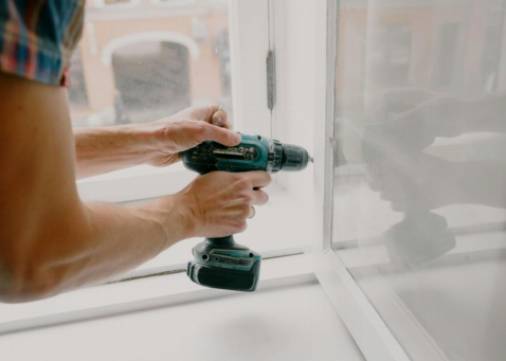
When taking on custom carpentry projects in your garden, having the right tools and understanding proper techniques is crucial for success. To start, you will need a variety of basic hand tools such as measuring tape, level, hammer, saw, and screwdrivers. Additionally, power tools such as a drill, circular saw, and sander will make your projects easier and more efficient. Proper technique is essential when working with wood. Always measure twice and cut once to ensure accuracy. Use clamps to secure pieces together before joining them with screws or nails. When drilling holes, make sure to use the correct size bit for the job. Additionally, sanding down rough edges and surfaces will give your project a professional finish. When it comes to joinery, there are several common techniques such as butt joints, lap joints, and miter joints. Each type of joint has its own purpose and method of construction, so it's important to choose the right one for your project. Take the time to practice these techniques before starting on your actual project to ensure a strong and durable structure. Lastly, safety should always be a top priority when working with tools and machinery. Always wear appropriate safety gear such as goggles, gloves, and ear protection. Make sure your work area is well-lit and free of clutter to avoid accidents. By following proper tools and techniques, you can create beautiful and functional custom carpentry projects for your garden.Building and Installing Garden Features
First and foremost, it's important to have a clear plan in place before getting started. This includes measuring your space, determining the proper materials needed, and understanding the overall design of the feature you want to create. Once you have your plan in place, it's time to gather your materials and tools. Depending on the project, you may need items such as wood, nails, screws, brackets, and paint or stain for finishing touches. It's also important to have the right tools on hand, including a saw, hammer, drill, and measuring tape. When it comes to actually building your garden feature, precision is key. Make sure to follow your measurements carefully and double-check your work as you go. It's also important to ensure that your structure is stable and secure, especially if it will be supporting any weight or enduring weather conditions. Once your garden feature is built, it's time to install it in your outdoor space. This may involve digging holes for posts, securing the structure to the ground, or attaching it to an existing wall or fence. Make sure to follow any instructions provided with your materials and use proper techniques to ensure a successful installation. After your garden feature is in place, take the time to step back and admire your handiwork. Whether it's a trellis, pergola, raised garden bed, or other feature, building and installing your own custom carpentry projects can add a personal touch to your garden and enhance the overall aesthetic of your outdoor space.Maintaining and Protecting Your Carpentry Projects
Once you have completed your custom carpentry projects for your garden, it is important to properly maintain and protect them to ensure they remain sturdy and beautiful for years to come. Regular maintenance can help prevent damage caused by weather conditions and wear and tear over time. Here are some tips for maintaining and protecting your carpentry projects:Regularly inspect your garden structures for any signs of damage, such as cracks, splintering, or discoloration. Address any issues promptly to prevent further damage.
Clean your carpentry projects regularly to remove dirt, grime, and debris. Use a mild soap and water solution or a specially formulated cleaner for the type of material you are working with.
Apply a protective finish to your garden structures to help prolong their lifespan and protect them from the elements. Choose a finish that is suitable for outdoor use and reapply as needed.
Consider adding a weatherproof sealant to your carpentry projects to provide an extra layer of protection against moisture, UV rays, and other environmental factors.
Trim back any overgrown vegetation that may be encroaching on your garden structures to prevent damage from branches or roots.
Keep an eye out for pests, such as termites or wood-boring insects, that may be attracted to your carpentry projects. Take preventive measures to protect your garden structures from infestations. By following these tips for maintaining and protecting your carpentry projects, you can ensure they remain in top condition and continue to enhance the beauty of your garden for years to come.